A Not-So-Fun New Way to Spend More on Groceries: Tariffs
As if eggs weren’t expensive enough.
Article published: January 05, 2026
Chances are, you’ve gotten used to sticker shock at the grocery checkout. Maybe you’ve even progressed through shock to anger and reached acceptance.
But lately, are you feeling that things are getting even more expensive again, even as inflation has supposedly come down? It’s not your imagination. Tariffs are likely adding on to existing inflation pressures on many goods, including some groceries.
Tariffs are basically taxes on imported goods. They’re meant to protect domestic industries, but they also make foreign products more expensive. So if you’re buying imported food, clothes or electronics, you’re likely paying more than you used to.
HOW MUCH DO TARIFFS MATTER?
Tariffs are charged at the same rate for everyone. But they don’t affect everyone equally. In economic terms, they’re regressive.
First of all: If you’re Beyoncé, a 10% price hike on eggs or coffee is annoying but manageable. If you’re not Beyoncé, those same price hikes hit a lot harder.
But here’s the thing – on top of that, Beyoncé isn’t buying a whole lot of stuff that has tariffs applied to it (probably). Whereas lower-income houses spend the majority of their money on things that come with a tariff markup.
That’s because tariffs are applied to goods, not services. And the more money a household makes, the more of their income they’re likely to spend on services. Things like:
- Private school
- House cleaners and lawn care
- Insurance
- Salon visits
- Travel and entertainment
These things, of course, can’t be “imported.” The bottom line is that tariffs hit your grocery cart and back-to-school clothes shopping, not your Ticketmaster cart.
Consumer Price Index Change (November 2022-November 2025)
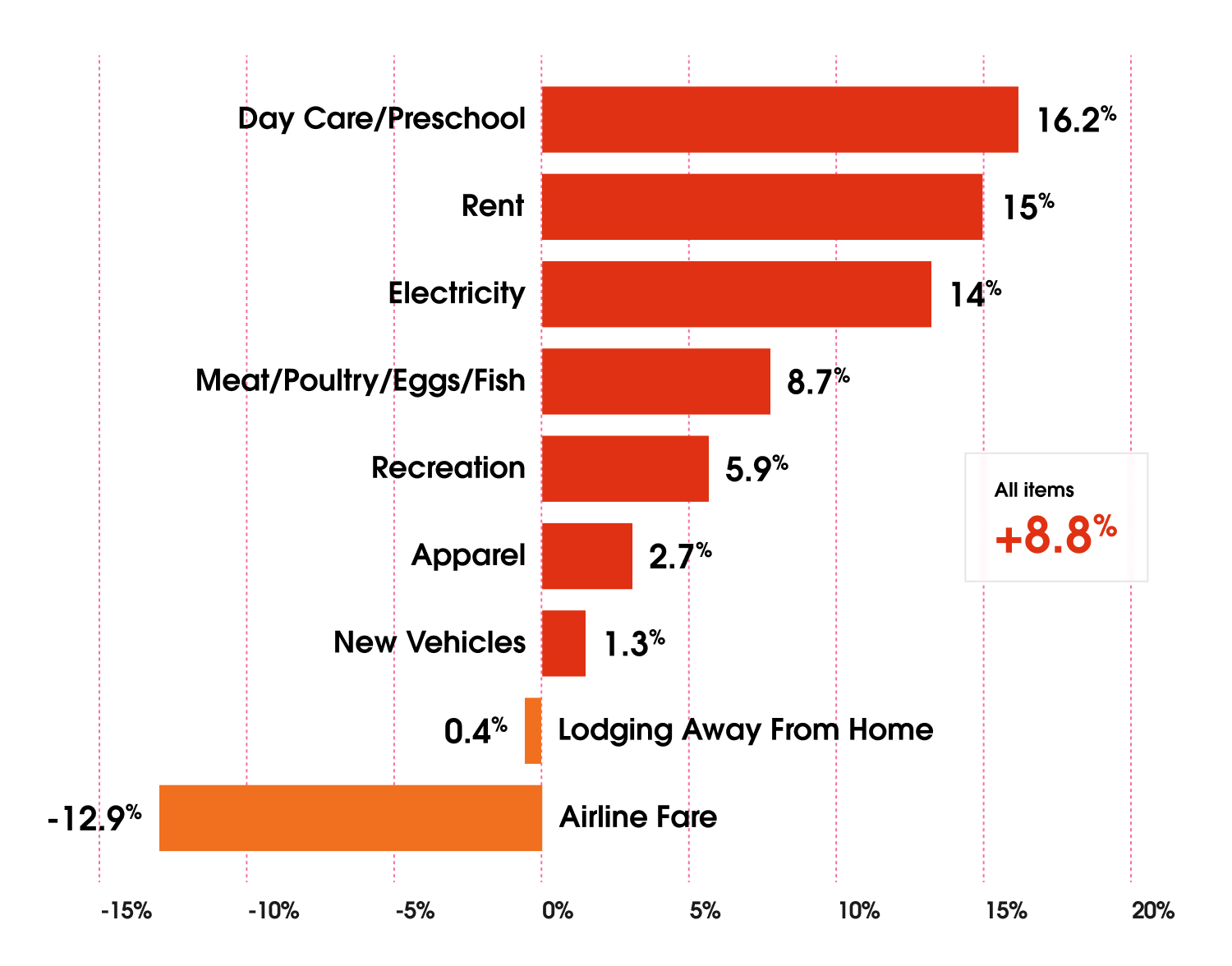
Source: Bureau of Labor Statistics as of Nov. 30, 2025
WHAT’S AHEAD FOR TARIFFS AND INFLATION?
As we head into 2026, inflation is hovering around 3%. Not terrible, but uncomfortable.
Tariffs can push prices up, but whether this turns into a full-blown inflation wave depends not only on future trade policy but also on consumer psychology. If people start expecting prices to rise, they change their behavior – and that expectation alone can help sustain inflation.
THE TAKEAWAY: KNOW YOUR BASKET
Everyone experiences inflation differently because everyone buys a different “basket” of goods. If your basket is full of imported items, you’re likely feeling the effects of tariffs more than someone whose basket is full of domestic services.
It’s impossible to know what’s ahead for tariffs or inflation, but prices are likely to stay elevated – deflation rarely happens – especially for some of us. As painful as they may be, we need to make sure we account for them in our budgets.
This material was prepared for educational purposes only. Although the information has been gathered from sources believed to be reliable, we do not guarantee its accuracy or completeness.
AM5083429