
Financial Planning
The key to financial planning is to start.
Whether you’re looking to create your first financial plan or want a second opinion on one you already have, it’s free to talk.
Market Uncertainty Is Normal: Why Staying Invested Matters More than Ever
Staying focused on your long-term goals can help you navigate short-term stock market swings.
Article published: June 30, 2026
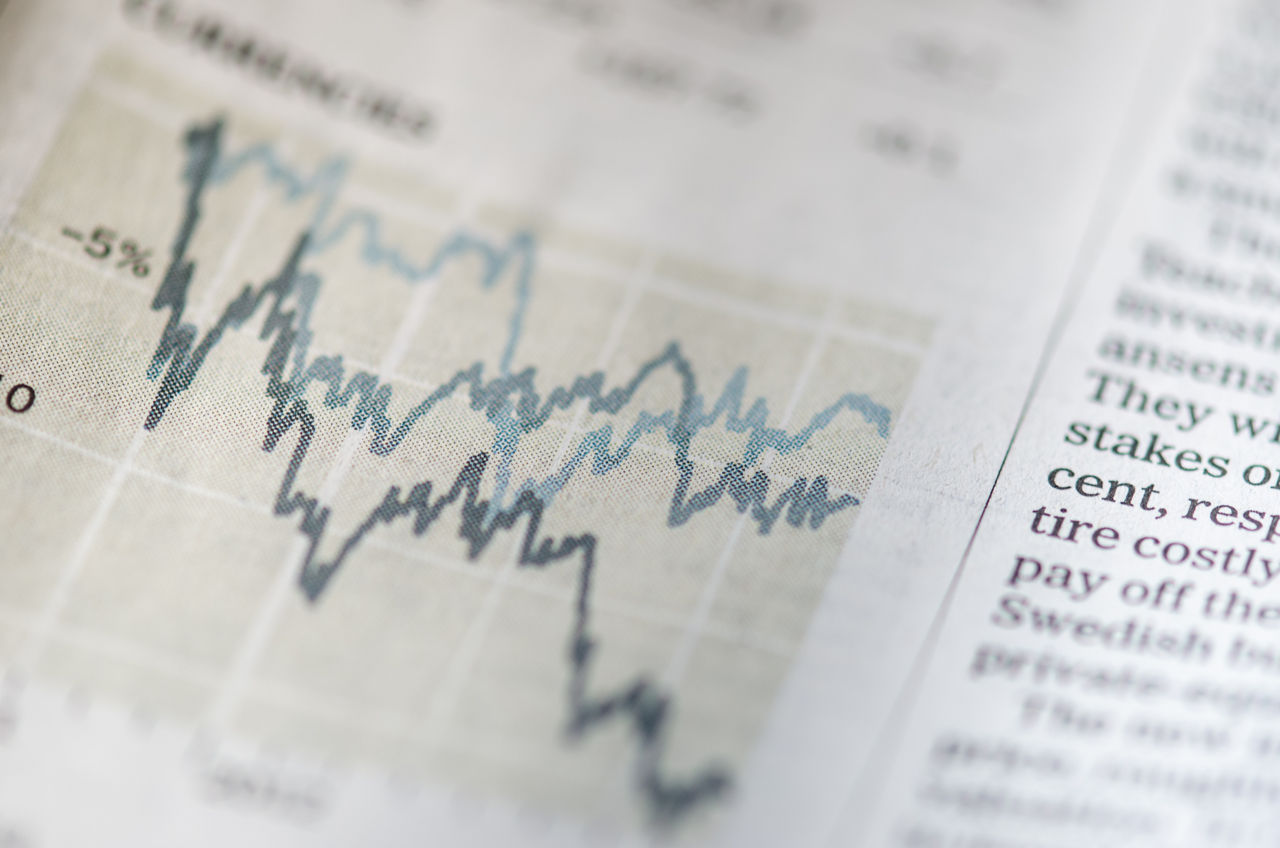
Stay focused – no matter the market
Personalized advice can help give you the confidence to keep your plan on track through market volatility.
Stock market volatility driven by inflation, interest rates and global events can feel unsettling, but it’s a normal part of investing. Rather than reacting to short-term swings, staying invested and focused on long-term goals can help you navigate uncertainty with greater confidence and keep your financial plan on track.
If you’ve been following the financial news lately, you’ve likely seen no shortage of headlines about stock market volatility. From ongoing inflation concerns and evolving Federal Reserve interest rate policy to geopolitical tensions around the world, there’s a steady stream of updates competing for your attention.
It’s easy to feel overwhelmed. Financial media often amplifies market swings – both up and down – because uncertainty drives engagement. But for investors, keeping a clear head and focusing on long-term financial goals is more important than reacting to short-term market noise.
WHY MARKET VOLATILITY CAN FEEL MORE INTENSE THAN IT IS
Financial news outlets often highlight daily market movements in dramatic terms, which can make normal fluctuations seem more alarming than they really are. This constant stream of information can shift your focus toward what’s happening today instead of what matters over time – your investment strategy, your time horizon and your goals.
Market volatility is a natural and expected part of investing. Viewing it through a long-term lens can help you avoid making emotional decisions that may not support your broader financial plan.
A FINANCIAL PLAN CAN HELP BRING CLARITY DURING UNCERTAINTY
A personalized financial plan is designed to guide you through both calm and uncertain market environments. It takes into account your goals, time horizon, risk tolerance and unique financial situation to help keep you on track – even when the markets feel unpredictable.
We understand that periods of stock market uncertainty can trigger concern about your investments or retirement savings. But a well-constructed plan can act as a steady anchor, helping you stay focused on your long-term strategy rather than reacting to short-term headlines.
WHAT’S DRIVING MARKET VOLATILITY RIGHT NOW?
Several ongoing factors are contributing to today’s stock market uncertainty:
- Interest rates and Federal Reserve policy. Shifts in interest rate expectations can affect borrowing costs, corporate earnings and investor sentiment, often leading to increased market volatility.
- Inflation trends. Inflation has reaccelerated, remaining a key focus for investors and policymakers alike.
- Geopolitical risks. Conflicts and global instability can create uncertainty in financial markets and drive short-term swings.
While these factors can impact the markets in the near term, they are part of a broader economic cycle that investors have navigated before.
WHAT DOES THIS MEAN FOR YOUR INVESTMENT STRATEGY?
There’s a long-standing saying: The stock market takes the stairs up and the elevator down. In other words, market declines can feel sudden, but recoveries have historically followed over time.
That’s why long-term investing is so important. Your portfolio should be built around your goals – not daily movements in the S&P 500, Nasdaq or Dow Jones Industrial Average. These indexes represent only a portion of the market and may not fully reflect your overall financial picture.
A diversified portfolio helps spread risk across different asset classes, sectors and regions, helping to manage volatility and support long-term growth. Regular portfolio rebalancing can also help ensure your investments stay aligned with your goals and risk tolerance.
MARKET UNCERTAINTY: WHAT YOU CAN DO NOW
While market fluctuations can be unsettling, there are practical steps you can take to stay grounded:
- Focus on your long-term investment goals. Short-term volatility is expected, but your plan was built for years or decades.
- Stay diversified. A well-balanced portfolio can help manage risk during uncertain markets.
- Avoid emotional decisions. Reacting to headlines can lead to moves that may not align with your strategy.
- Look for opportunities. Market dips can present opportunities to invest at lower valuations for long-term growth.
Understanding the cyclical nature of the markets can help you maintain perspective. Periods of volatility have historically been followed by recoveries, rewarding disciplined, patient investors. Thoughtful planning can be your strongest ally, helping to mitigate unwarranted fears and reinforcing a long-term focus amidst market chaos.
OUR POINT OF VIEW: STAY INFORMED AND STAY FOCUSED
Lately, inflation has taken center stage in the news, creating concerns about its potential impact on purchasing power and overall financial well-being. Inflation, interest rates and economic conditions will likely continue to evolve. Having a clear understanding of how these factors affect your investments can help you make informed decisions with confidence.
Engaging with educational resources (like this article!) empowers you to make strategic choices that enhance your financial resilience. Then, you can feel better equipped to take the next step. Working with a financial advisor can provide personalized guidance tailored to your situation, helping you navigate today’s market environment while staying focused on your long-term financial journey.
As legendary banker J.P. Morgan once said when asked what the stock market would do: “It will fluctuate.” That reality still holds true today. Market ups and downs are part of the investing journey, but staying committed to your financial plan can help you move forward with confidence.
We’re here for you. We’ve been through market uncertainty countless times before and we can get you through whatever lies ahead – together.
This material was prepared for educational purposes only. Although the information has been gathered from sources believed to be reliable, we do not guarantee its accuracy or completeness.
An index is a portfolio of specific securities (such as the S&P 500, Dow Jones Industrial Average and Nasdaq composite), the performance of which is often used as a benchmark in judging the relative performance of certain asset classes. Indexes are unmanaged portfolios and investors cannot invest directly in an index.
Investing strategies, such as asset allocation, diversification or rebalancing, do not ensure or guarantee better performance and cannot eliminate the risk of investment losses. All investments have inherent risks, including loss of principal. There are no guarantees that a portfolio employing these or any other strategy will outperform a portfolio that does not engage in such strategies.
Past performance does not guarantee future results.
AM5645530
.png)


Need more help?
Set up a free meeting and get guidance tailored to your unique circumstances.


